Everyone keeps comparing AI to the printing press, the steam engine, the Model T. Incremental leaps. Faster versions of something we already understood.
Right direction. Wrong by an order of magnitude.
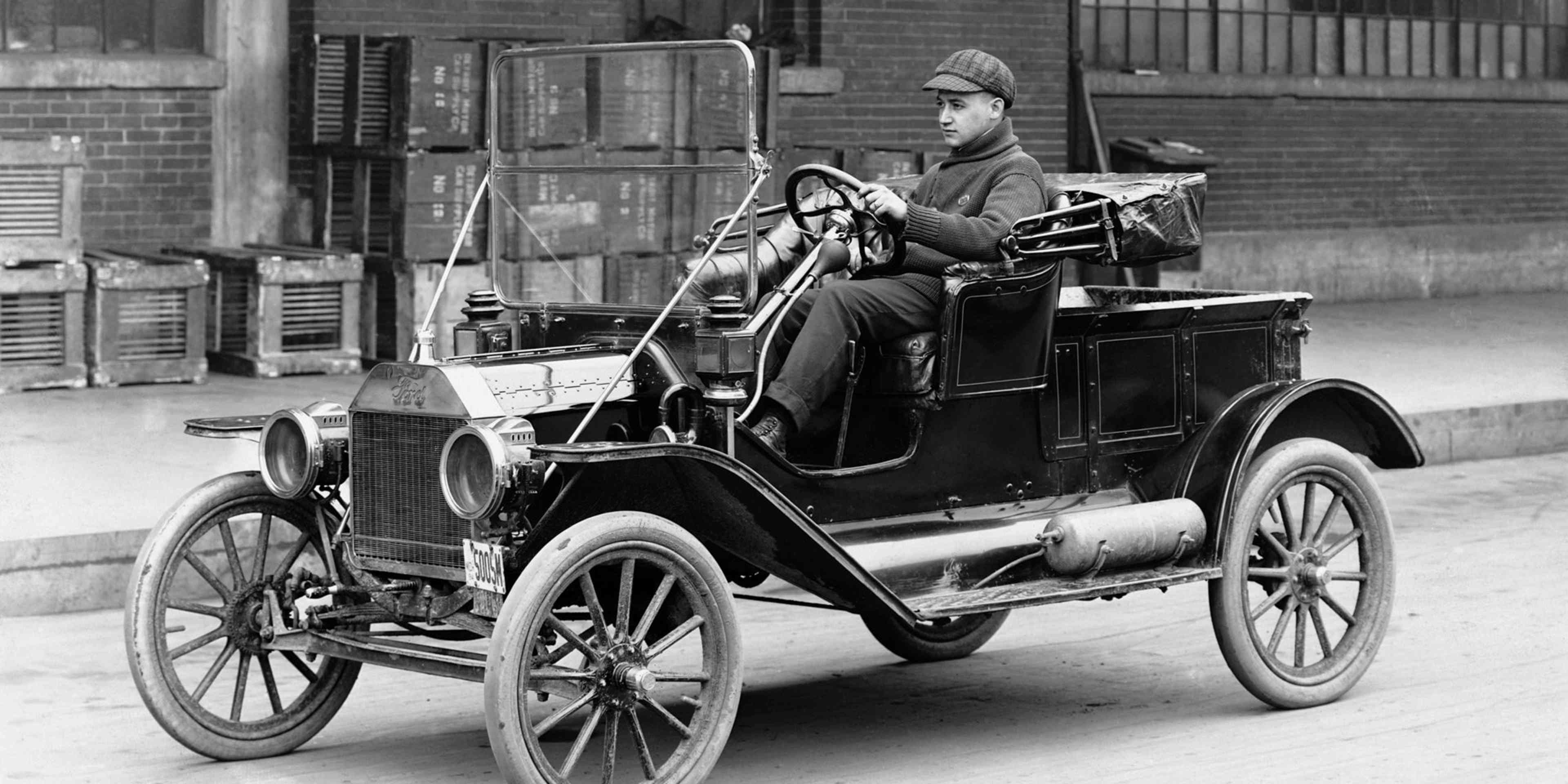
The Model T replaced the horse with something faster. Same category. Point A to point B, just quicker. It still needed roads. It still needed fuel. It still needed a driver. It still took time. An entire ecosystem grew up around that constraint: gas stations, highways, traffic laws, suburbs, drive-throughs, road trips.
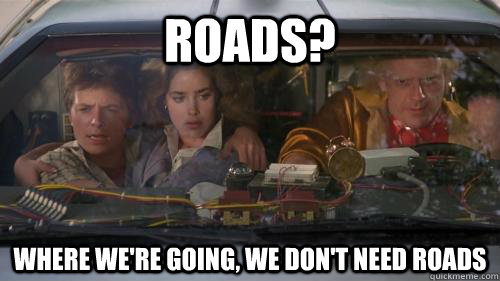
This isn't the Model T. This is teleportation.
Teleportation doesn’t improve how you get from A to B. It eliminates the concept of distance. Roads become irrelevant. Fuel becomes irrelevant. Drive time, commutes, geography, logistics. Not improved. Gone.
The people telling the Model T story are thinking inside the transportation metaphor. Better, faster, cheaper. Still the same kind of thing. AI will take some jobs but create new ones, they say. Just like the Industrial Revolution. Just like the internet. Same story, different decade.
They’re not wrong about the direction. They’re wrong about the scale.
AI isn't a better, faster version of expertise. It's the elimination of expertise as a scarce resource.
Think about what that actually means.
The entire modern economy is built on the scarcity of expertise. You hire a lawyer because you can’t practice law. You hire a designer because you can’t design. You hire a developer because you can’t code. You hire a strategist because you can’t… actually, you can probably strategize just fine. You just don’t have time because you’re busy managing all the other specialists.
Every hiring decision, every agency retainer, every freelancer invoice, every career ladder, every university degree exists because expertise is scarce and unevenly distributed. That scarcity is the road. The foundation underneath everything.
And teleportation just arrived.

Universities training specialists for roles that one curious person can fill. Career ladders built on accumulating narrow depth over decades. Agencies bundling six specialists and charging $10,000 a month for the bundle. Freelancer marketplaces matching buyers with sellers of knowledge you can now access for the cost of a dinner.
Those are roads. And we just invented teleportation.
I’ve watched this from every seat in the room. Twenty-five years. Editor, copywriter, SEO specialist, media buyer, strategist, head of innovation, founder. I know what expertise costs, how long it takes to build, and how quickly it becomes a bottleneck. Every company I’ve worked with hit the same wall. The knowledge existed. The talent existed. But the cost of assembling it, coordinating it, and executing against it was brutal.
Then I got laid off, went back to building a business, and discovered the wall wasn’t there anymore.
Not weakened. Not shorter. Gone.
I started writing Python scripts to pull data and automate my SEO. Then I realized AI could handle the content strategy too. Then the competitive research. Then the ad creative. Then the analytics. Every time I handed off a new discipline, I expected it to hit a ceiling. It kept not hitting the ceiling. What started as a few automation scripts turned into a full marketing operation. Strategy, content, distribution, advertising, analytics. Run by one person, producing work that competes with teams of ten.
Eighteen months ago, that wasn’t a thing. It wasn’t even a category. Now it’s my company.
But not everything disappears
Think about Picasso. His work wasn’t the competent execution of artistic technique. It was a fundamentally original vision that nobody else could have produced. Picasso didn’t succeed because he was good at painting. He succeeded because he saw the world differently and had the conviction to show people what he saw.
Now think about the thousands of working artists making a living from competent, derivative work. Album covers that echo a trending style. Pop songs built from the same four chords and recycled hooks. Ad campaigns that remix last year’s winners. That work exists because creating it requires skill, and skill is scarce. People pay for it because they can’t do it themselves.
That’s the work that’s going away. Not the savant. The derivative. Not the person with genuine vision. The person executing patterns that someone else invented.
Most of us do derivative work. I did for most of my career. I was good at my job, but I wasn’t inventing new paradigms. I was applying known frameworks to specific situations. That’s what “expertise” means most of the time. And that’s exactly what AI does now. Better and faster than most of us.
So what survives?
Taste. Judgment. Conviction. Clarity of thought. The ability to look at a market and see what everyone else is missing. The ability to articulate what you want so precisely that the machine produces something extraordinary instead of another pile of competent mediocrity. The willingness to say something that might be wrong.
These were always valuable. Now they’re the only thing that’s scarce.
The genuine vision, the lived experience, the point of view sharp enough to cut through noise. That’s what separates signal from static when everyone has access to the same machine. The technology to tell your story is now free. The story itself is not.
Is it any wonder that the interface to the most powerful technology ever created is a text box?